What should this Google Ads page answer first?
The page should make the paid-search plan concrete: which services deserve budget, which locations need separate campaigns, how calls are tracked, and how wasted spend gets cut.
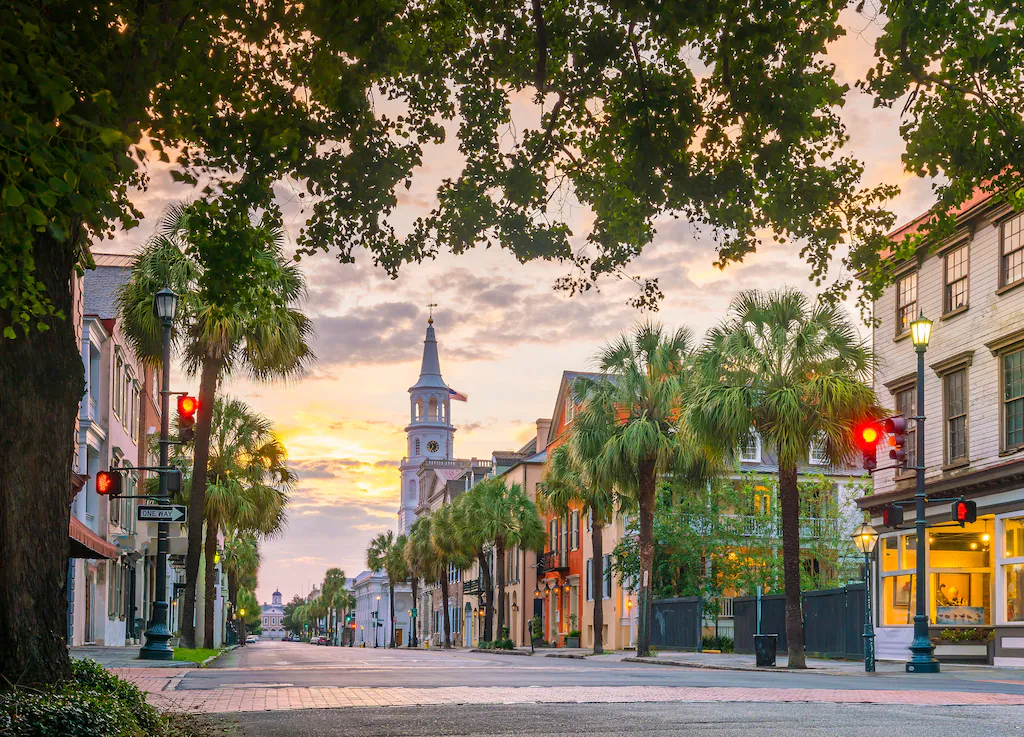
Charleston, SC — Roofing Google Ads
The 72 hours after a storm hits Charleston are worth more roofing jobs than the previous 3 months combined. Storm-ready campaigns are live before the weather clears — and you're capturing calls while competitors are still scrambling.
Local Answers
A good local spoke page should help a business owner understand the move, not just repeat "Charleston South Carolina" a dozen times. Here is the practical version.
The page should make the paid-search plan concrete: which services deserve budget, which locations need separate campaigns, how calls are tracked, and how wasted spend gets cut.
Charleston search behavior shifts by community. Mount Pleasant, Summerville, West Ashley, James Island, and the islands all bring different urgency, budgets, and buyer questions, so local pages need Lowcountry-specific context instead of generic city copy. Roofing buyers are comparing trust, insurance confidence, storm readiness, and proof of completed work before they request an estimate.
Start with the Charleston roofing marketing hub, then compare the supporting pieces: SEO, Google Business Profile, and web design.
Clear answer blocks, specific local language, and strong internal links help Google and AI tools understand what you do, where you do it, and why you are relevant. This spoke supports the broader roofing marketing page while giving searchers a more useful local answer.
Every time a named storm tracks near the coast, roofing searches spike. Contractors with live campaigns capture the surge. Contractors without them watch the phones go to someone else.
3–5×
Search volume increase for roofing terms in the 72 hours after a storm event
$800–$2,000
Typical value of a single residential roofing estimate in Charleston
72 hrs
The critical window after a storm — contractors with live campaigns capture it; others miss it entirely
6 mo.
Hurricane season — the window where paid visibility compounds with organic rankings
Built for the Lowcountry's weather patterns and roofing market dynamics — not a generic contractor template.
We pre-build storm-damage ad groups with ready-to-activate budgets. When a named storm makes landfall near Charleston, campaigns go live within hours — not days after your competitors have already captured the surge.
"Emergency roof repair" and "storm damage roof" searches happen on mobile — homeowners want to call, not fill out a form. Call-only ads put your phone number directly in the search result.
Your ads show in Charleston, Berkeley, and Dorchester Counties — and can be dialed down to zip code level. No wasted spend on searches outside your service area.
"Insurance claim roof repair" and "roofing company that works with insurance" are high-intent, lower-competition keywords. We build dedicated campaigns that capture homeowners navigating the claims process.
Storm season runs June through November. We scale budgets heading into peak months and pull back strategically in winter — maximizing your return without burning budget when search volume is low.
Homeowners searching for large roofing franchises are ready to spend. Conquest campaigns put your name in front of high-intent buyers who don't have a strong brand preference yet.
The roofers who dominate in Charleston don't build storm campaigns after the storm. They have campaigns in place, tested, and ready to scale — so when the weather turns, they're capturing leads within hours.
A new campaign can go live in 3–5 business days. For storm-surge campaigns, we prefer to have infrastructure built before the season starts — so when a storm event happens, we're activating existing campaigns rather than building from scratch. That 72-hour post-storm window is where the majority of emergency roofing searches happen.
Most roofing campaigns in this market start at $1,500–$2,500/month in ad spend plus management. Storm-surge periods may call for temporary budget increases. Given that a single signed roofing job can run $10,000–$25,000, the ROI math works even at modest conversion rates.
Year-round, but with seasonal scaling. The off-season is where you capture roof replacement searches, insurance claim work, and homeowners doing planned upgrades. Pausing entirely in winter means you lose visibility and your Quality Scores decline — costing more when you restart. We keep a base campaign live and scale aggressively for storm season.
Most out-of-state contractors don't have established Google Ads accounts in the Charleston market — they either can't advertise or pay premium CPCs for low Quality Scores. A well-maintained local campaign with historical data outperforms brand-new accounts significantly. Being the established local advertiser is a structural advantage.
We serve businesses across multiple markets. Explore our coverage in nearby areas.
Every storm that hits Charleston is worth thousands in roofing jobs. Let's make sure your campaigns are live before the next one. Fill out the form and we'll show you what it takes to capture storm-season demand.
Most of our clients come to us after wasting money on agencies that overpromised and underdelivered. We do things differently — we show you exactly what's working, what's not, and what to do about it.