What should this website design page answer first?
The page should connect design to revenue: fast mobile loading, clear calls to action, service-area content, trust proof, and pages that answer real customer questions before they call.
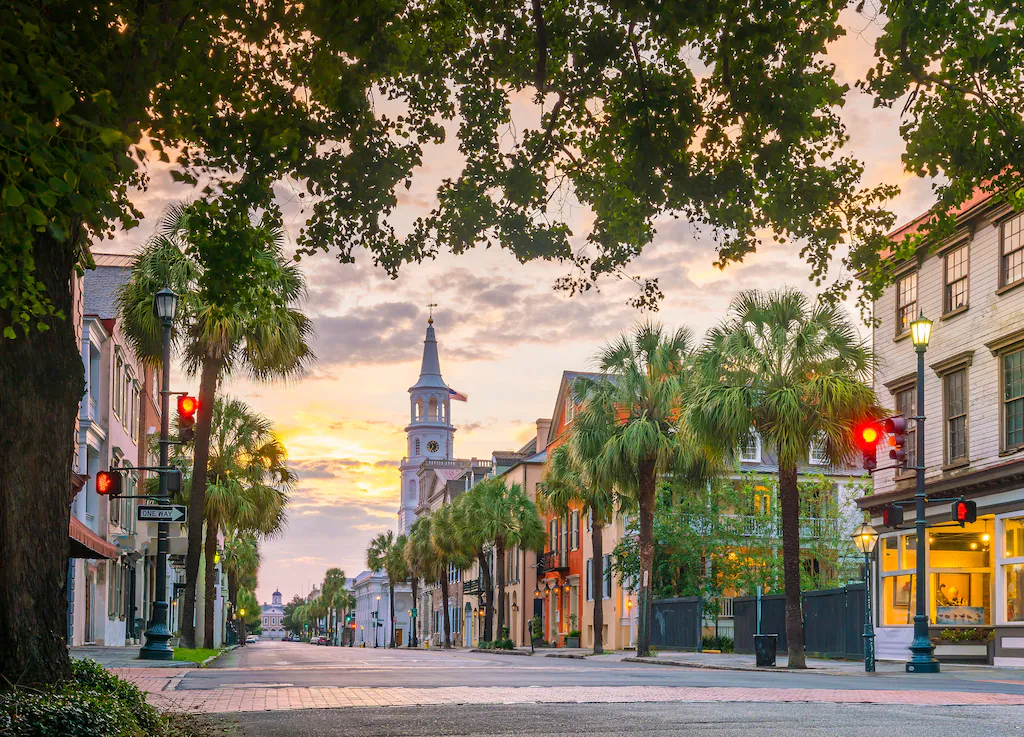
Charleston, SC — Construction Web Design
A homeowner planning a $400K addition or a developer scoping a commercial build-out will judge your company by what your website says about your work. We build construction sites that show your best projects, establish your credibility, and convert research into consultation requests.
Local Answers
A good local spoke page should help a business owner understand the move, not just repeat "Charleston South Carolina" a dozen times. Here is the practical version.
The page should connect design to revenue: fast mobile loading, clear calls to action, service-area content, trust proof, and pages that answer real customer questions before they call.
Charleston search behavior shifts by community. Mount Pleasant, Summerville, West Ashley, James Island, and the islands all bring different urgency, budgets, and buyer questions, so local pages need Lowcountry-specific context instead of generic city copy. Construction prospects take longer to choose. They need portfolio proof, service-area relevance, and clear signals that the contractor can handle the type of project they are planning.
Start with the Charleston construction marketing hub, then compare the supporting pieces: SEO, Google Ads, and Google Business Profile.
Clear answer blocks, specific local language, and strong internal links help Google and AI tools understand what you do, where you do it, and why you are relevant. This spoke supports the broader construction marketing page while giving searchers a more useful local answer.
Most contractor websites have the same problem: they describe services without showing the work, and they ask visitors to trust a company they've never heard of before building that trust. A construction website built for conversion does both.
68%
Of construction clients research contractors online before making first contact
53%
Of prospects say a contractor's website influences whether they call or look elsewhere
< 3s
Maximum load time before mobile visitors abandon — and construction clients are often mobile
73
Verified Google reviews for Holy Webs — credibility we build into every site we design
Designed for the specific way Charleston homeowners and developers evaluate contractors — not a generic template.
Construction is a visual business — completed projects should be the hero of your website, not a page buried three clicks deep. We design around your portfolio, with high-quality project galleries by type and location.
Residential homeowners and commercial clients have entirely different decision criteria. We design distinct entry points and content tracks for each — so every visitor gets a relevant experience from the first scroll.
Dedicated pages for custom homes, additions, renovations, commercial build-outs, and historic restoration — each optimized for its own keyword set and buyer intent. One generic 'Services' page can't rank for all of them.
SC contractor's license, bonding, insurance, manufacturer certifications, and any association memberships — displayed prominently without requiring a visitor to dig. Construction clients vet harder than almost any other buyer.
Google reviews and project-specific testimonials woven into the site — on service pages, in the portfolio, and on the homepage. Social proof at the point of decision, not just on one reviews page.
Commercial clients and developers often research from mobile while on job sites. A slow or hard-to-use mobile experience loses those prospects before they reach your contact form. We build sites that perform everywhere.
Every construction site we build includes these deliverables as standard — not as add-ons.
Build enough trust to earn a consultation request. Construction is a high-consideration, high-stakes purchase. A visitor who finds your site after a Google search is evaluating whether to trust you with $100K or more. The site needs to show relevant completed work, communicate your credentials and track record, and make it easy to take the next step — without friction or skepticism-inducing gaps.
One site with distinct sections for each is the right structure for most contractors. Completely separate domains dilute your SEO authority. But one generic site that tries to serve both audiences from the same content doesn't convert either one well. We design with clear entry points and content paths for each — so a custom homeowner and a commercial developer both find a relevant experience.
Project gallery pages organized by type and location, with real photos, brief project descriptions, and — where clients allow — measurable outcomes. Neighborhood context matters for local SEO too: 'Daniel Island custom home' and 'West Ashley renovation' create location signals that help your pages rank in those communities. A well-structured portfolio is both a sales tool and an SEO asset.
Yes. We write all copy — service pages, area pages, the about page, and the portfolio descriptions. We interview you to capture your voice, your project types, and the details that differentiate you from other contractors in the market. You review and approve before anything goes live.
We serve businesses across multiple markets. Explore our coverage in nearby areas.
Your website is often the first impression you make on your best potential clients. Fill out the form and we'll show you what your current site is costing you — and what it could be doing instead.
Most of our clients come to us after wasting money on agencies that overpromised and underdelivered. We do things differently — we show you exactly what's working, what's not, and what to do about it.